Why Soft Skills Are Important for the Future – Essay for Grade 12 Students in Simple English | Why Soft Skills Are Important for the Future – Essay for class 12 Students in Simple English
Why Soft Skills Matter More Than Ever in the Future – Essay in 1000+ words in Simple English
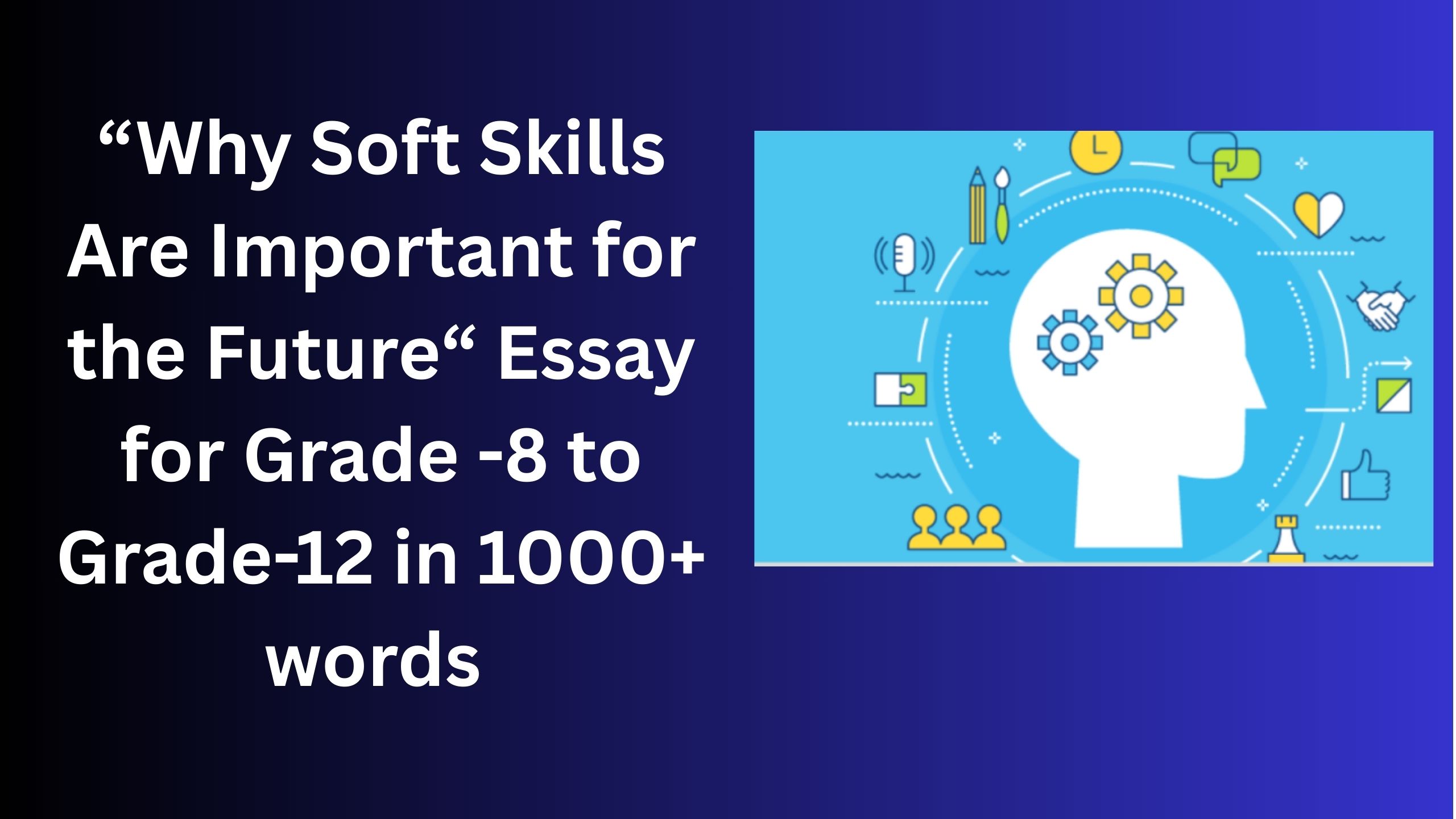
In today’s fast-changing world, success is no longer decided only by marks, degrees, or technical knowledge. The future belongs to people who can communicate well, adapt quickly, work with others, and solve problems calmly. These abilities are known as soft skills. Soft skills include communication, teamwork, leadership, emotional intelligence, time management, and critical thinking. As technology grows and workplaces change, the importance of soft skills is increasing every day. This essay explains why soft skills are important for the future and how they help students and professionals succeed in real life. Using strong soft skills is not just helpful, it is necessary for long-term growth and happiness.
Understanding Soft Skills and Their Role in Modern Life
Soft skills are personal and social abilities that help people interact effectively with others. Unlike hard skills, which are technical and job-specific, soft skills are useful in every field and situation. For example, a person may know how to use a computer program, but without communication skills, they may struggle to explain ideas or work in a team. In schools, students with good soft skills can express their thoughts clearly, manage stress, and build healthy relationships. In daily life, soft skills help people handle conflicts, make decisions, and understand different points of view. As the world becomes more connected, these skills help people work with different cultures and backgrounds. Employers today often look for candidates who can learn new things, accept feedback, and work well under pressure. These qualities are all part of soft skills. Learning soft skills early prepares students for future challenges both inside and outside the classroom.
Why Soft Skills Are Essential for Future Careers
The future job market is changing rapidly due to automation, artificial intelligence, and digital tools. Many technical jobs may change or disappear, but soft skills will always be needed. Machines can perform tasks, but they cannot replace human emotions, creativity, and understanding. Jobs of the future will require people who can think creatively, solve new problems, and work with advanced technology. Communication skills will be important for explaining ideas to teams and clients. Teamwork will be needed as projects become more collaborative. Leadership skills will help guide teams through change. Emotional intelligence will allow people to manage stress and understand others’ feelings. Time management will help balance work and personal life in remote or flexible jobs. Employers value these skills because they improve productivity and workplace harmony. Students who develop soft skills alongside academic learning will have better career opportunities. Many career guidance platforms also highlight soft skills as key success factors, which can be explored further on pages like /career-skills and /future-jobs.
How Soft Skills Shape Personal Growth and Society
Soft skills do not only help in careers, they also shape personal growth and society as a whole. People with strong soft skills tend to have better relationships and higher confidence. They can express opinions respectfully and listen to others patiently. This leads to healthier families, schools, and communities. In leadership roles, soft skills help build trust and inspire others. Good leaders use empathy and communication to motivate teams. In society, soft skills promote cooperation and understanding among people from different backgrounds. As global challenges increase, such as climate change and social issues, teamwork and problem-solving become more important. Soft skills help individuals contribute positively to society. For students, learning soft skills builds discipline and responsibility. Teachers often notice that students with strong soft skills perform better overall because they manage time well and stay motivated. These skills also support mental health by reducing stress and improving self-awareness. Learning soft skills is a lifelong process that benefits both individuals and the world around them.
Conclusion
Soft skills are becoming the foundation of success in the future. As technology continues to grow, human abilities like communication, empathy, and creativity will remain valuable. Soft skills help students succeed in school, professionals grow in their careers, and societies work together peacefully. Learning soft skills early gives students a strong advantage in a competitive world. They support lifelong learning, personal happiness, and professional success. The future will belong to those who can combine knowledge with understanding and skills with values. That is why soft skills are not optional anymore, they are essential for a better future.
FAQs
What are soft skills in simple words?
Soft skills are abilities like communication, teamwork, and problem-solving that help people work and live better with others.
Why are soft skills important for students?
Soft skills help students do well in school, build confidence, manage stress, and prepare for future careers.
Can soft skills be learned?
Yes, soft skills can be learned and improved through practice, group activities, reading, and real-life experience.
Are soft skills more important than technical skills?
Both are important, but soft skills help people use their technical skills effectively in real situations.
How can students improve soft skills?
Students can improve soft skills by participating in group work, public speaking, volunteering, and self-reflection.
বন্ধুরা তোমারা আমাদের Whatsapp গ্রুপে অবশ্যই যুক্ত হয়ে যাবে , Whatsapp গ্রুপে যুক্ত হওয়ার জন্য ডান দিকের "Join WhatsApp Group" ক্লিক করতে হবে। এই গ্রুপে আমরা নিয়মিত প্রশ্ন উত্তর দিতে থাকব।